Merkle: Customer loyalty is built through experience, not rewards alone

Loyalty programmes do not create customer loyalty; rather, they amplify it or accelerate its erosion, according to analysis from Merkle. The findings suggest that loyalty programmes are most effective when they reinforce a strong underlying customer relationship.
Though loyalty has always been about retaining customers, loyalty programs simply magnify whatever relationship already exists between the two, according to the new report. There are a lot of factors at play and the data paints a complex picture, with generational differences and new technologies creating a fair bit of nuance.
The 2026 Loyalty Barometer Report, based on a survey of 2,000 consumers across 10 industries, found that the first purchase experience remains the single strongest driver of loyalty, more than double the impact of any other factor, and that badly handled program changes can quietly push members away even while they remain enrolled.
First impressions carry the most weight
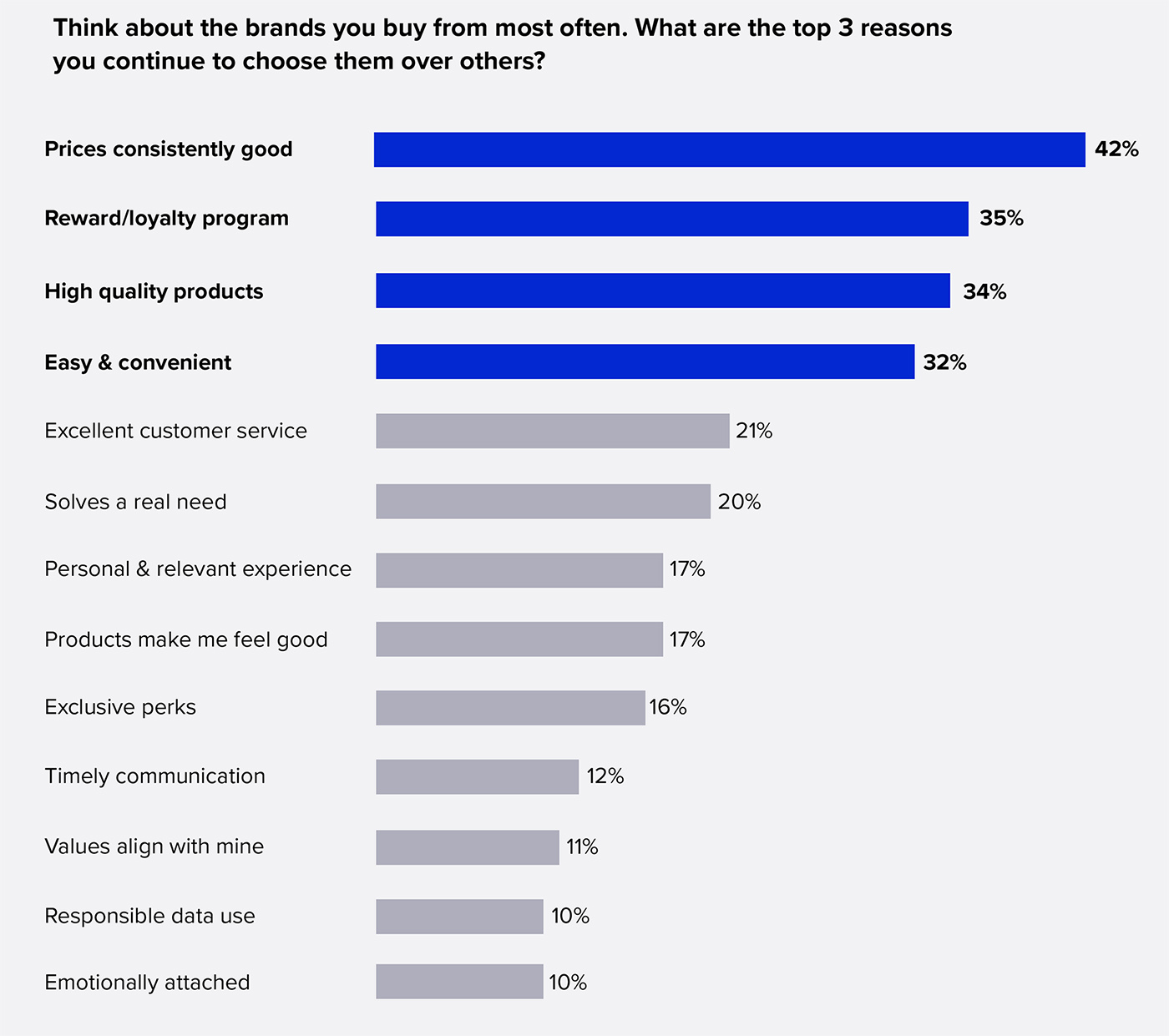
According to the survey results, 62% of respondents ranked their first purchase experience as one of the top two factors shaping their loyalty to a brand, a figure that has held the top spot every year the survey has run. Exclusive access and personalized recommendations were the fastest growing factors year over year, each climbing six to 10 percentage points, suggesting a slow shift toward experience-driven loyalty even as consumers say price and convenience matter most.
The report also found that changing a loyalty program without clear communication carries real financial risk. More than half of respondents (53%) said they either reduced their purchases or stopped buying from a brand entirely after it changed its loyalty program, even though many stayed technically enrolled.
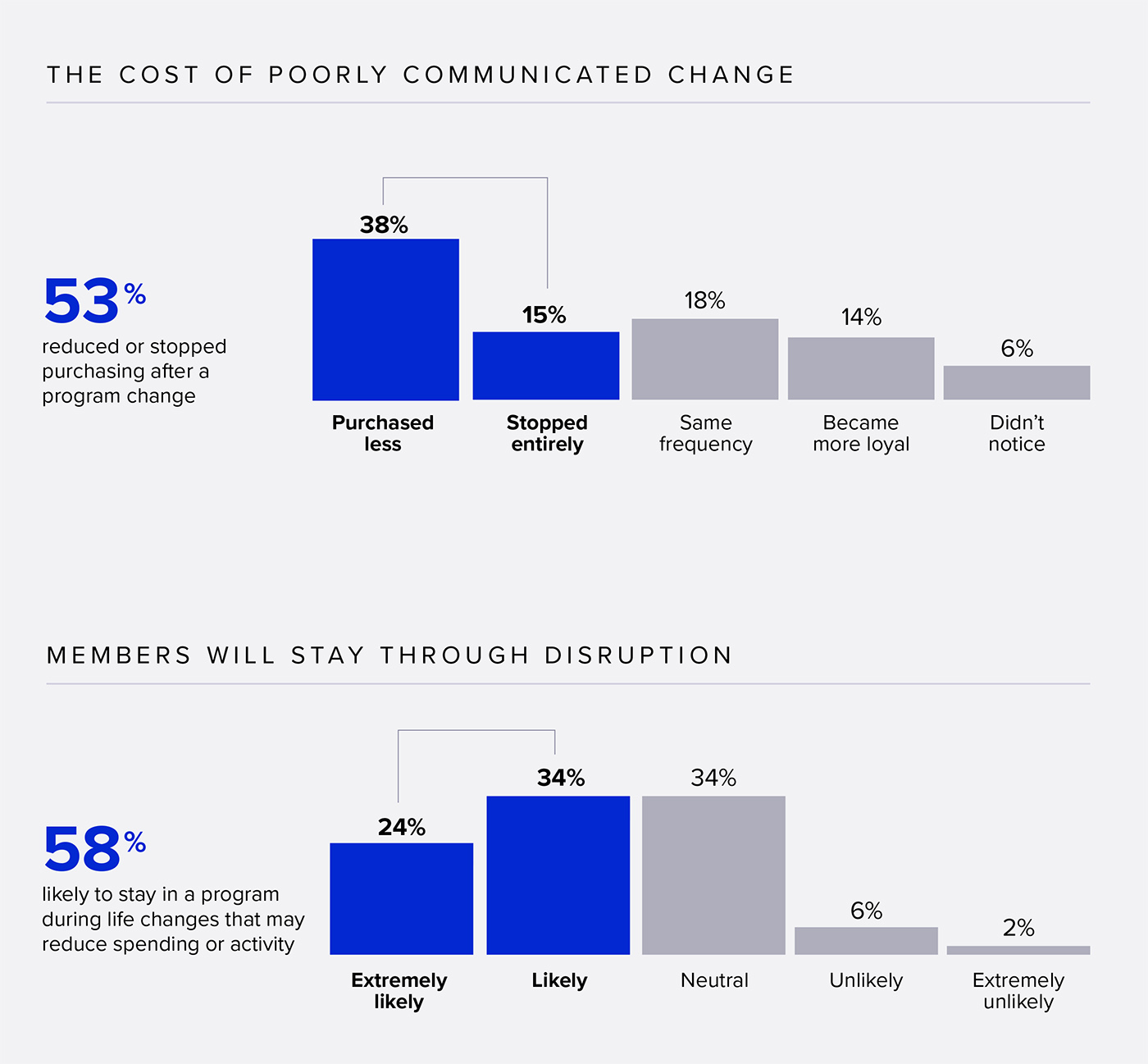
This could point to a passive churn problem that standard retention metrics would fail to catch. Meanwhile, 58% of members said they would likely stay in a program through personal life changes that reduce their spending, showing that transparency during transitions matters more than the changes themselves.
Personalization still falls short
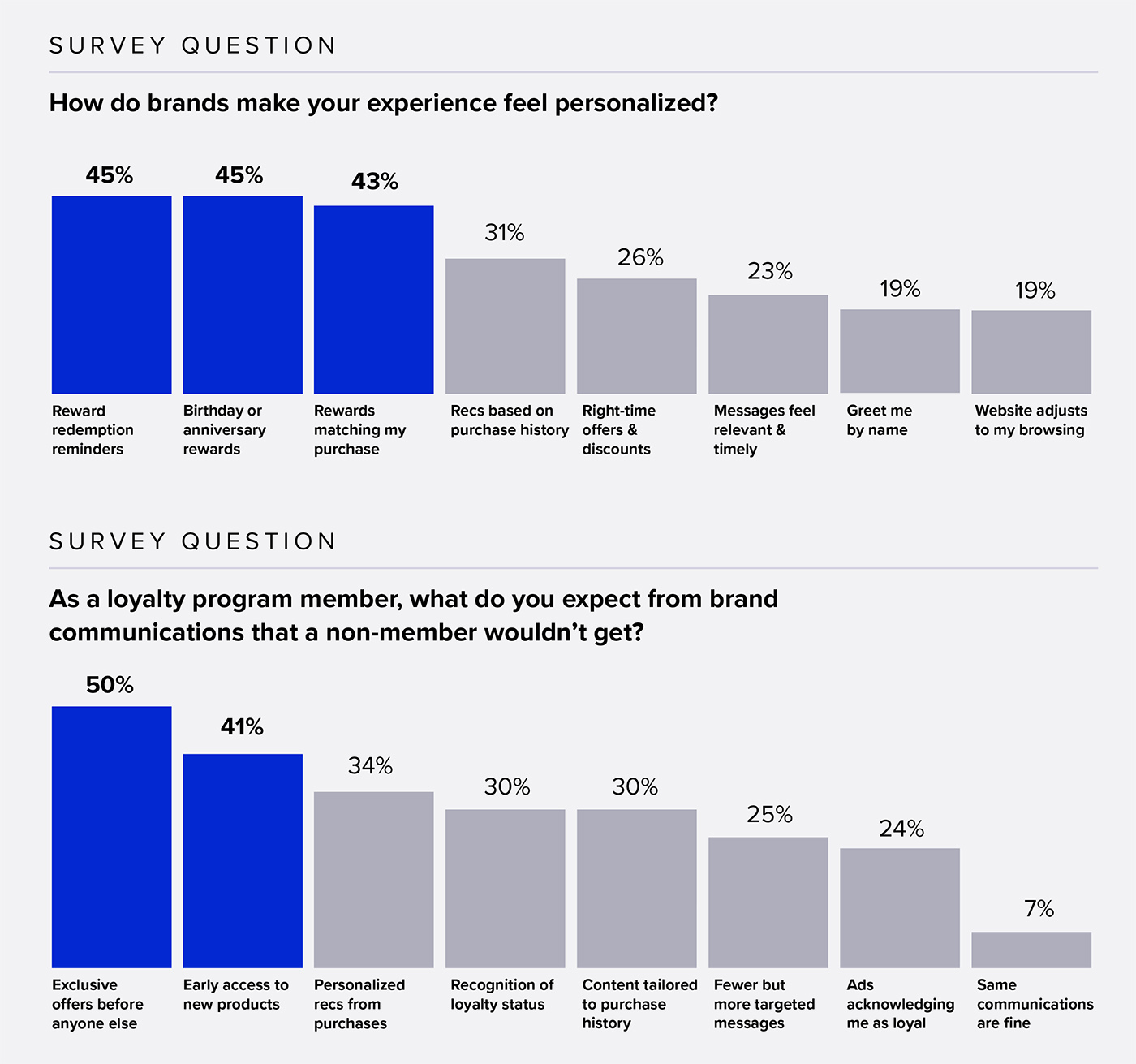
Despite years of investment in customer data, the report found that brands are still failing to make members feel individually recognized. Only 18% of consumers said they always feel recognized as the same customer across channels such as stores, websites, apps, and customer service, and just 19% said a brand’s website adjusts to their browsing behavior or greets them by name.
At the same time, 91% of those surveyed said they expect to be treated differently as loyalty members, according to Merkle.
The gap extends to emotional connection as well. While only one in 10 consumers cited emotional attachment as a reason they choose a brand, 71% said they trust the brand they are most loyal to, and 69% said they would feel disappointed if they could no longer buy from it, suggesting the emotional bond consumers hold is stronger than they consciously recognize.
Economic pressure is reshaping spending habits
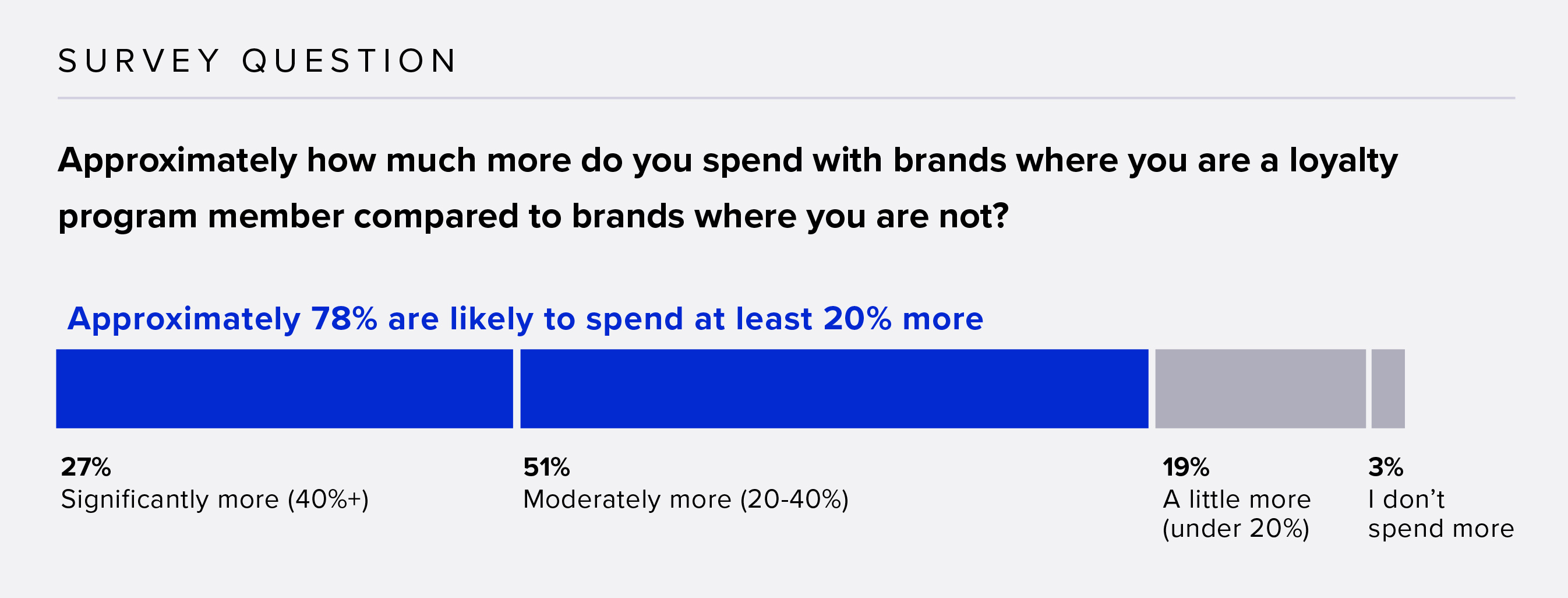
Loyalty programs are increasingly functioning as a financial strategy rather than a simple perk. The findings show 70% of respondents said they spend more with a brand once they are enrolled in its loyalty program, and 27% said they spend at least 50% more, up 17 percentage points from last year.
Higher income households, those earning $75,000 or more annually, were more likely than lower income households to lean on loyalty rewards during tough economic conditions, a reversal of the traditional assumption that loyalty programs mainly serve budget-conscious shoppers.
Gen Z remains an open opportunity
Gen Z was singled out in the report as a generation that is often mislabeled as disloyal. According to Merkle, 84% of Gen Z respondents said they spend more with brands once enrolled in a loyalty program, matching Millennials for the highest spend lift of any generation, and 65% said they would refer friends or family to a program for bonus points.
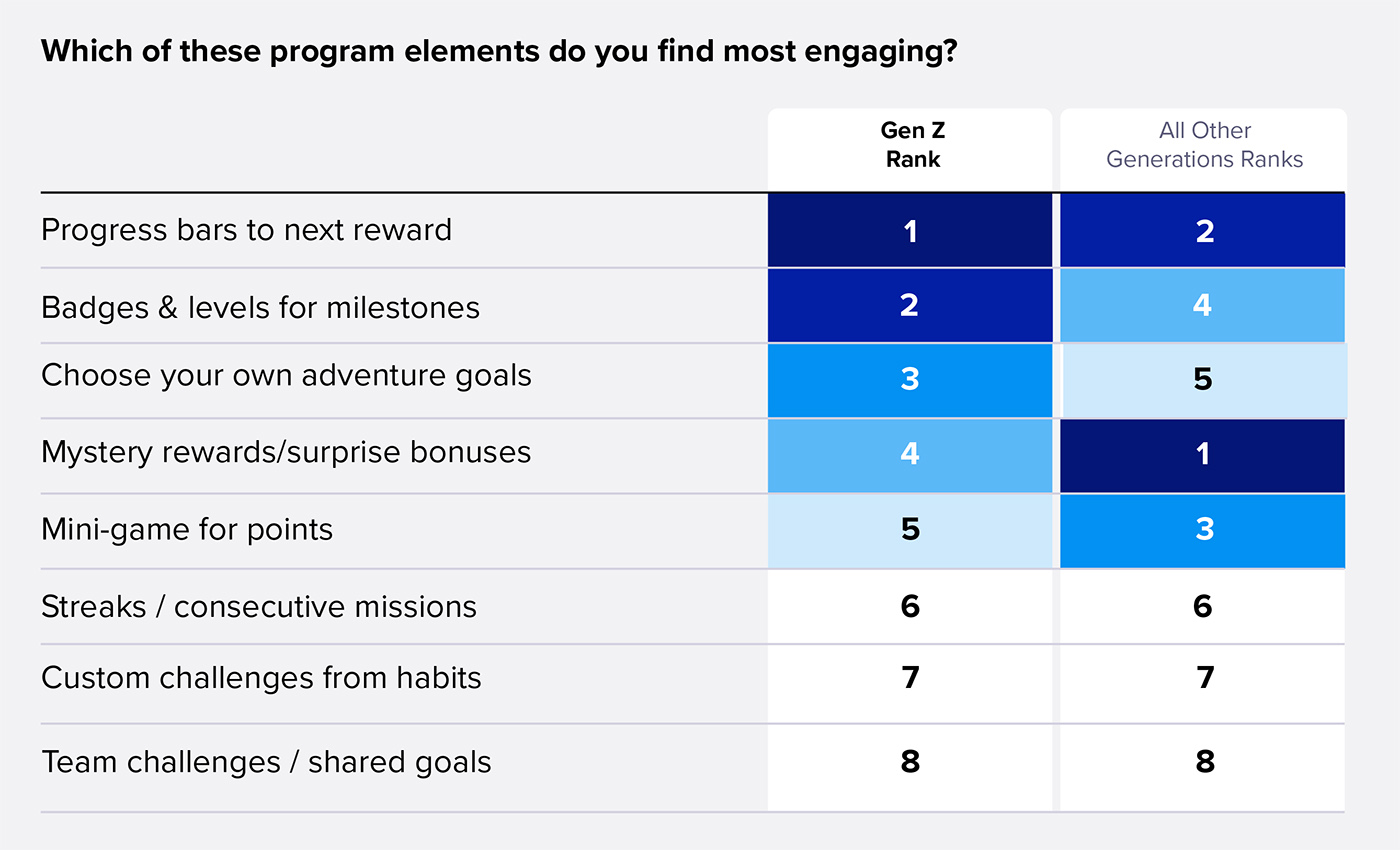
Still, Gen Z reported the lowest emotional connection to brands of any generation, a 19-point gap below millennials, which Merkle framed as a sign that the opportunity to build lasting loyalty with this group remains largely untapped.
Overall, consumers are far more interested in tools that remove friction, such as rewards that automatically apply at checkout, than in flashier features like AI-powered membership tiers or virtual reality experiences, which ranked lowest in appeal among the technologies tested.
“The gap between member expectations and what brands deliver is measurable and costly,” says Merkle.
“Members expect differentiated treatment, yet brands lead with transactional reminders. Members value certain rewards that brands don’t prioritize. And the economics of loyalty have fundamentally shifted in ways most programs haven’t recognized.”