Climbing the EcoVadis ladder: What it takes to reach the top 1%

Companies seeking to improve their EcoVadis sustainability rating are competing against a moving target as ESG standards continue to evolve. But what does it take to reach the top 1%?
Drawing on data from its own client portfolio, international sustainability consultancy Nexio Projects analysed what separates companies at different stages of the EcoVadis rating scale – from Silver to Gold and, ultimately, Platinum, the highest rating awarded by EcoVadis. The analysis sheds light on the key steps companies need to take to move up the rankings and what it takes to join the elite performers.
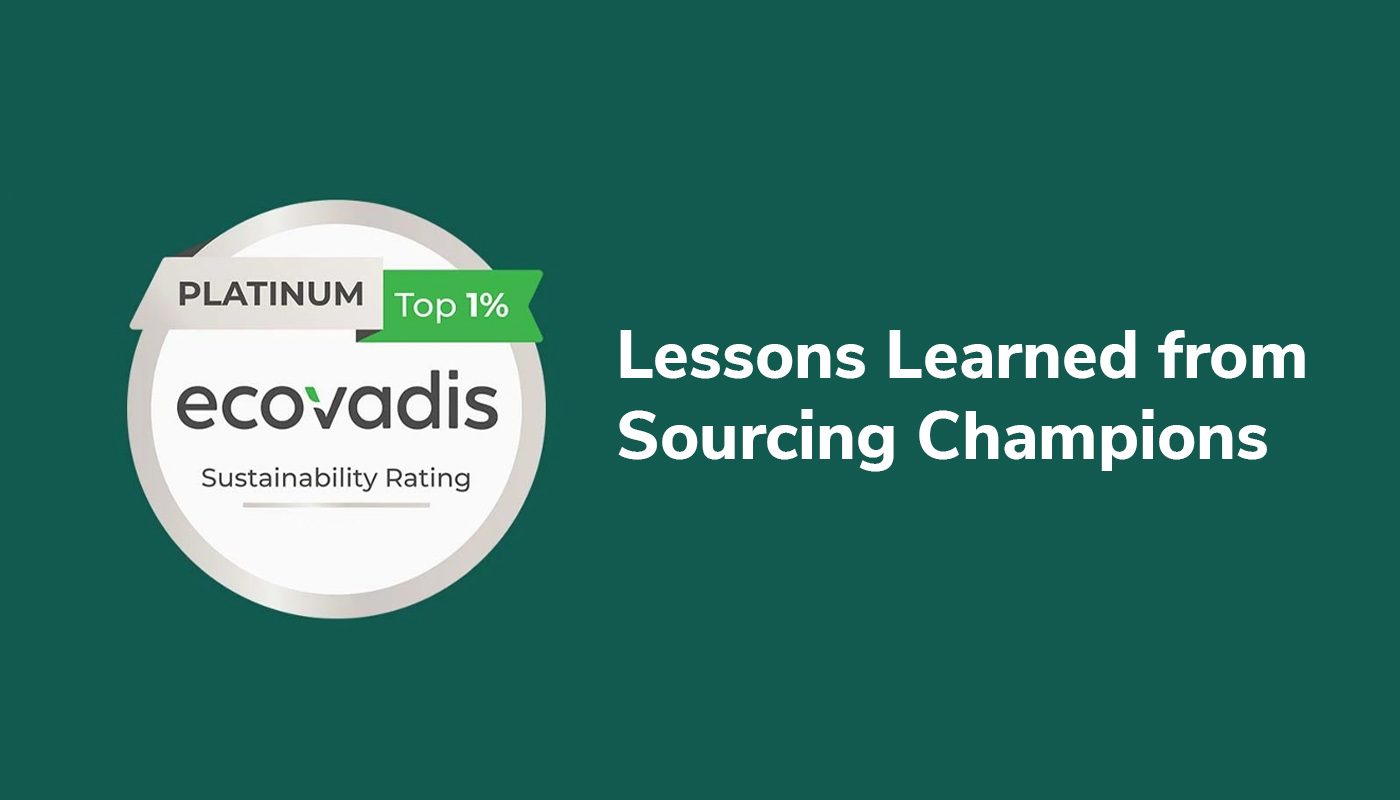
EcoVadis is a global leader in sustainability ratings, offering widely-recognized certifications that verify a company’s ESG performance. These ratings score companies from 0 to 100 on the quality of their sustainability management, with medals based on where each company ranks against every other company rated over the previous 12 months.
Since 2024, those medals have been tied entirely to percentile position rather than fixed score thresholds. Bronze is awarded to the top 35% of best performing companies, Silver to the top 15%, Gold to the top 5%, and Platinum is reserved for the top 1%. Because the rated population keeps growing and companies keep improving, the score needed to hold any given medal drifts upward each year.
From Silver to Gold
According to Nexio Projects, the most common element separating Silver companies from Gold ones is a public sustainability report. Many Silver-level firms track sustainability data carefully but disclose it only internally or selectively through client questionnaires, which leaves the reporting indicator structurally capped no matter how good the underlying data is.
Qualifying reports must follow one of several internationally recognized reporting frameworks. Following an April 2026 methodology update, GRI ‘with reference’ reporting is capped at 75 out of 100 on the Reporting indicator.
In one real-life example, a mid-sized manufacturer with roughly 800 employees across three European countries moved from 73 to 81 after publishing a report, extending its environmental certification to all sites, adding a health and safety certification, and setting a firm emissions target.
“At Gold level, the question shifts from whether you have policies and systems in place to whether those systems are genuinely working, fully deployed, and visible to the outside world. That is a meaningful and demanding transition,” said Stephanie Pragastis, senior sustainability consultant and trainer at Nexio Projects.
Breaking through to Platinum
At the top end, the gaps are narrower but harder to close. Gold companies generally lack independent assurance of the figures they report and three consecutive years of data presented in a single document, alongside a documented materiality analysis and coverage of more than 85% of the criteria that apply to them. Nexio Projects also observes SMART targets for carbon and energy, with fewer targets covering Labor and Human Rights, Ethics or Sustainable Procurement.
Making it to the top 1% means going beyond publishing a sustainability report with a recognized standard, to more fully verified reporting that goes back at least three years. Measurements also need to cover a wider range of criteria.
“Platinum is where sustainability stops being something you report on and becomes something that defines how your organization operates,” said Pragastis. “The evidence bar is higher, the scope is wider, and the peer group is the top 1% globally. Getting there requires a different kind of discipline.”
Nexio points to the example of a food and beverage company with about 1,500 employees in five European countries closed those gaps over five months by commissioning limited assurance on its report, adding targets across the remaining themes, documenting two ethics risk assessments, and extending its certifications to the last two country operations. It finished at 88, a significant improvement from the starting position of 80.
“Gold companies tend to have robust policies and strong certification coverage for their core operations,” said Rachit Paliwal, senior sustainability consultant at Nexio Projects.
“What most often holds the Platinum score back is the depth and breadth of measures across all activated criteria, and whether the organization’s sustainability management systems genuinely reach every relevant entity.”
Across its portfolio, the consultancy reports an average improvement of 13.8 points. That is comfortably more than the seven points between Silver and Gold, or the six between Gold and Platinum, which is the encouraging part. The less encouraging part is that the thresholds will have moved again by the time the next scorecard is published.
The moving benchmark
Analysis from Nexio Projects puts the approximate score observed at Gold level in May 2026 at 80 out of 100, up from 77 in July 2025. Platinum sits at roughly 86. The consultancy stresses that these are directional benchmarks drawn from its own client data, not thresholds published by EcoVadis, which deliberately does not release them.
The numbers reveal how quickly the field is tightening. Gold rose two points between January and May 2026, faster than any other level in the same period, while Platinum held steady. The result is that the distance between the two narrowed from eight points to six.
Where the points actually sit
EcoVadis assesses four sustainability themes through four main content indicators (Environment, Labor and Human Rights, Ethics, and Sustainable Procurement), with 360° Watch contributing separately to the score. Policies account for 25% of the total, documented measures for 24%, adverse media and regulatory findings for 21%, third-party certifications for 16%, and public reporting for 14%.
Large companies also face a coverage multiplier, meaning that management systems confined to headquarters translate into fewer points than systems extended across subsidiaries and sites. That weighting explains why improvement programs rarely succeed by simply doing more of what a company already does well.
“Platinum is not a destination to reach and hold. It is a position within a moving peer group,” said Pragastis. “The companies that sustain it treat each assessment cycle as an opportunity to go further, not as a confirmation of where they already are.”