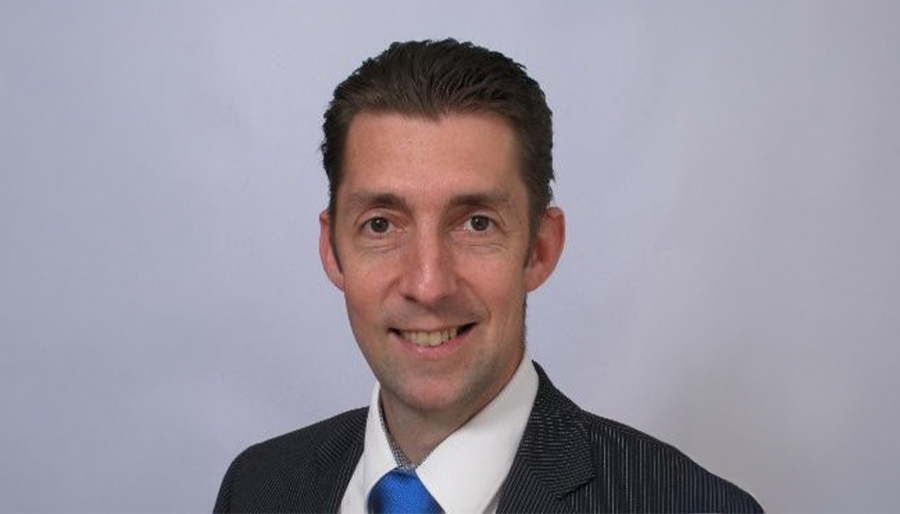
Marco Kievit: From 40 years in defence to advising the industry

After 40 years in the defence industry, spanning international aviation programmes, operational roles and a posting as Defence Attaché in Rome, Marco Kievit recently joined Unified International. We asked him about his transition to the private sector, bridging the gap between defence and industry, and the importance of closer collaboration with the sector.
You’ve been with Unified International for four months now. How are you finding the transition to working outside defence?
First of all, you have to get used to no longer wearing a uniform and having to sign in as a visitor at Ministry of Defence sites. That immediately makes it clear that you are no longer am employee.
Beyond that, my experience at Unified International has been very positive so far. Many colleagues at Unified International have a defence background, so the ‘defence culture’ is very much present within the company as well. I also notice that there is genuine appreciation for the knowledge and experience I have built up during my time in the defence sector.
There is also plenty of room to take initiative. The assignments I am working on tend to offer a win-win situation for the client, industry and Defence alike. These are all aspects that make me look forward to going to the office.
How are you applying the experience you gained to your work with the defence industry?
I primarily represent the client’s interests, but I also try to align these with the interests of Ministry of Defence. My experience makes it easier to translate the defence perspective on specific issues, along with its associated requirements, into something the client can understand and act upon.
That is enormously helpful in bridging the two sides and increases the likelihood of successful collaboration between the Ministry of Defence and companies operating in the sector.
One example is defence’s need for scalability. Companies can and want to play a role in meeting this need, but they also have to consider their commercial interests. With the defence knowledge and experience we have within Unified International, we can act as a bridge between the Ministry of Defence and industry on challenges like these.
After 40 years in defence, where do you see the biggest differences between the knowledge held by industry and defence?
Defence is an end-user and builds up extensive operational knowledge and experience through the deployment of weapons systems. Industry, on the other hand, primarily specialises in developing and producing those systems.
Historically, defence has tended to focus on off-the-shelf procurement. While that remains partly true today, there is now much greater emphasis on innovative products. Developing new products requires a different kind of relationship with industry. Defence needs to share its operational knowledge and experience, while industry must translate those operational insights into new or improved solutions.
Knowledge institutes have an important role to play in this process, as does a company like Unified International, which can serve as the link between defence and industry.
You’re a strong advocate of closer collaboration between defence, industry and knowledge institutes. How realistic is this in practice, and where do you see the main challenges?
Within the Dutch defence landscape, the concept of the ‘triple helix’, also referred to as the Defence ecosystem, has been discussed for some time. It is based on the idea of government, industry and knowledge institutes working closely together.
Considerable effort has been made in recent years to strengthen this ecosystem, including at the European level, but we are not there yet. Successful collaboration requires a long-term vision and commitment from all parties involved. That must ultimately translate into concrete assignments and the funding needed to support them.
The willingness to work together is certainly there, but it needs to become more tangible, both through long-term assignments and by securing the necessary financing.
What are your main areas of focus at Unified International?
From my position at Unified International, I have a clear view of the challenges that defence and industry will face in the years ahead.
I am already involved in several projects where we work alongside industry and Defence to address those challenges. It is enormously motivating to play a role in breaking down barriers to collaboration and creating new opportunities for partnership.