New roadmap charts a sustainable course for global fertilizer production

There is a credible path for the global potash and phosphate fertilizer industry to slash greenhouse gas emissions while maintaining global food security and supply stability, according to a roadmap from consultancies ERM and Systemiq.
Developed in collaboration with the European Bank for Reconstruction and Development and the International Fertilizer Association alongside support from Systemiq, the roadmap outlines pathways for cutting emissions across the entire agricultural value chain.
The new guidelines stress that deep decarbonization is theoretically achievable by 2050 in alignment with the Paris Agreement, but success depends heavily on a combination of production system shifts, regulatory updates, and infrastructure modernization.
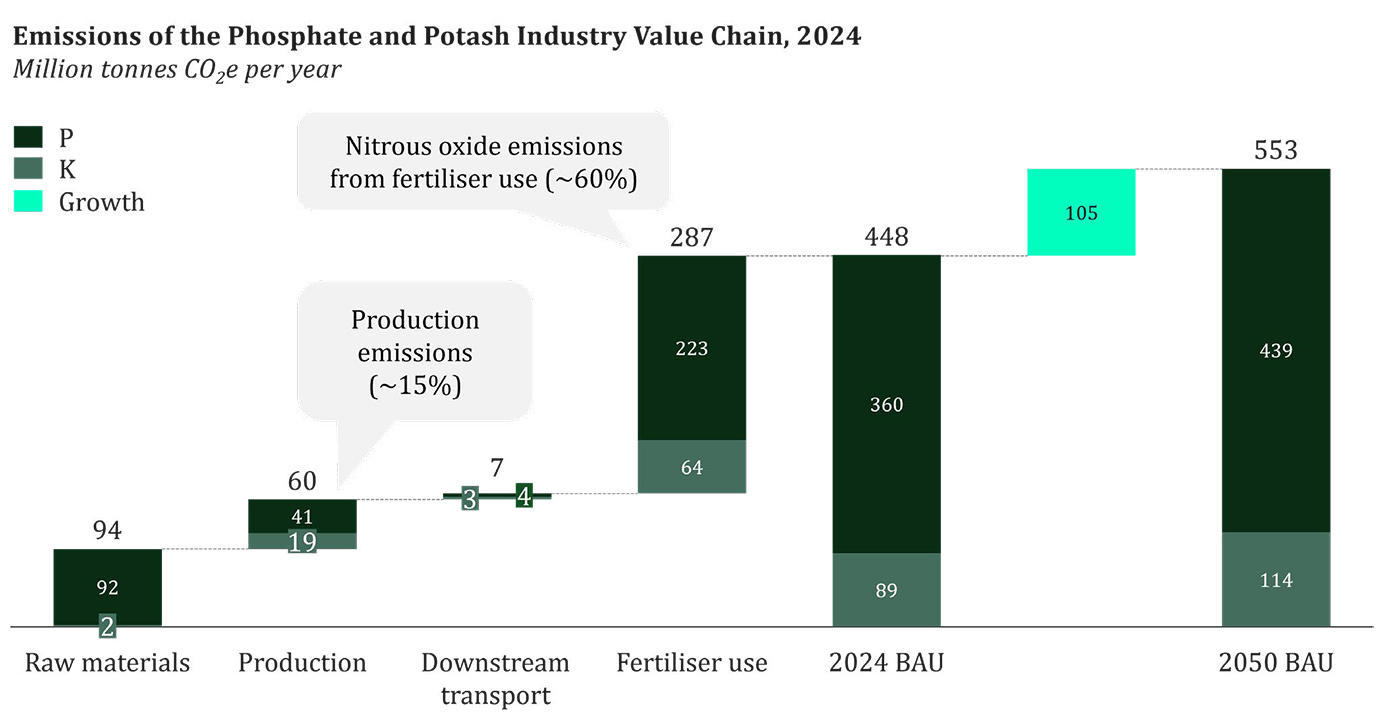
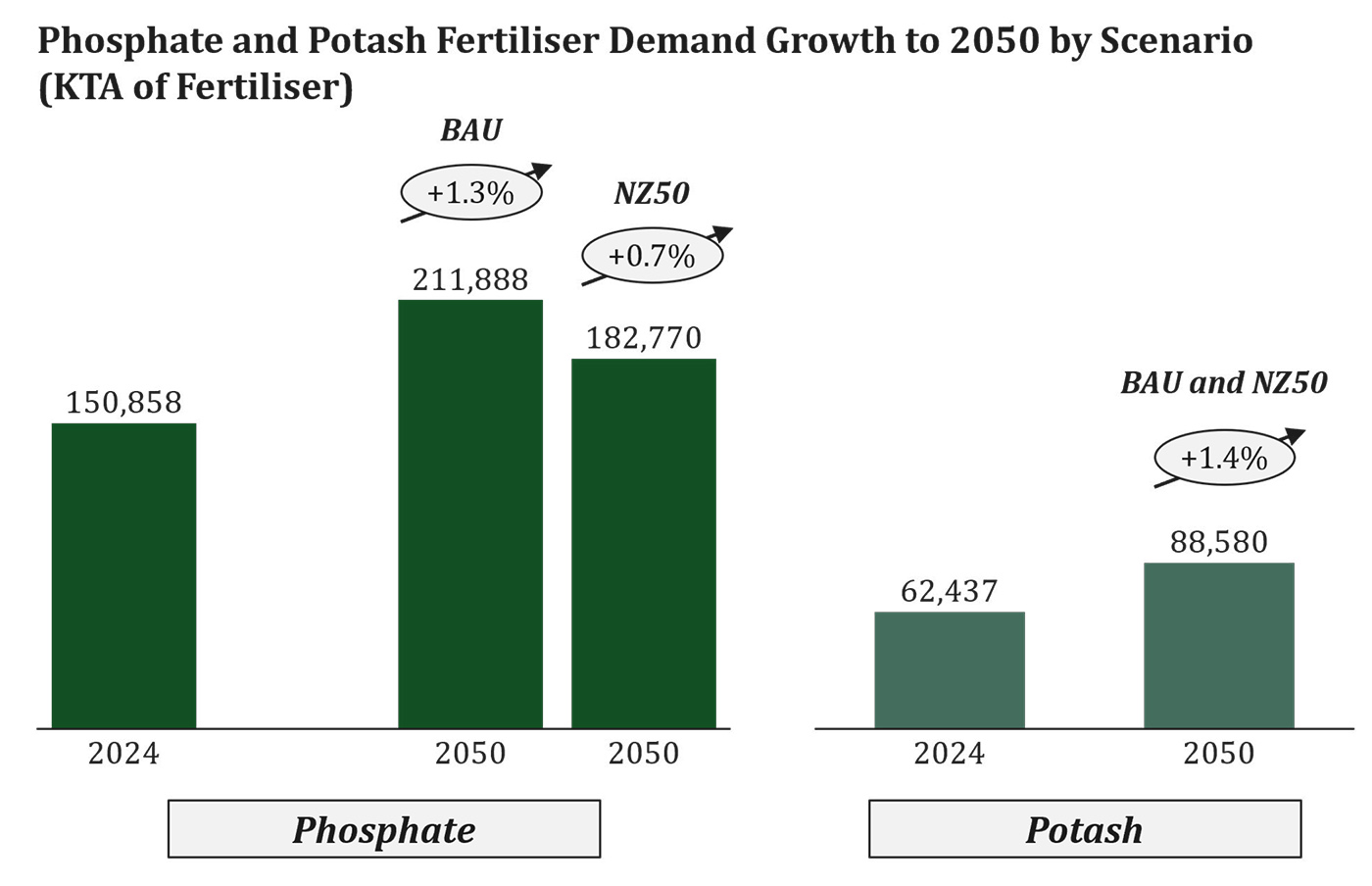
Without any action under the business-as-usual scenario, total sector emissions will increase in line with output growth, reaching an estimated 550 metric tons of carbon dioxide equivalent per year by 2050. That is around a 25% increase from the 2024 baseline with limited scope for efficiency improvements alone to support the decarbonization of rising demand.
The agricultural sector faces delicate balancing acts between reducing carbon outputs and keeping essential farming supplies affordable for producers worldwide. According to the findings, total global investments required to address production emissions and reach a net zero goal fall within a massive range between $235 billion and $320 billion.
This financial estimate covers crucial updates like facility retrofits, energy efficiency initiatives, and electrification projects, though it excludes secondary infrastructure expansions and policy support mechanisms. Experts note that early action remains critical to prevent long-term emissions lock-in from newly constructed assets.
Phosphates and potash (a type of water-soluble potassium) are both widely used in agriculture to improve crop yield and quality. Along with nitrogen, they are considered among the top macronutrients needed to keep soil healthy and productive.
Core technological and operational levers
The roadmap categorizes decarbonization strategies into incremental and transformational approaches designed to target specific operational hotspots. Incremental measures involve updating infrastructure with energy recovery systems and heat improvements that can yield positive financial returns.
Transformational shifts tackle systemic vulnerabilities, such as reducing reliance on traditional sulphur supplies and shifting toward alternative chemical pathways. Rising geopolitical volatility and competition from battery raw materials make non-sulphur production options increasingly attractive strategic alternatives for long-term industry resilience.
Additional focus areas include tackling complex process emissions originating from phosphoric acid manufacturing. A large part of addressing these challenges will include carbon capture and storage technologies. There is also targeted industrial electrification, though various geological and economic barriers still complicate widespread deployment.
Meanwhile, downstream optimization remains essential for mitigating agricultural emissions during the actual use phase. Enhanced-efficiency fertilizers, precision agronomy, and advanced digital farming tools help minimize over-application, ensuring crops absorb necessary nutrients without degrading underlying soil health or compromising overall agricultural yields.
A call to action for stakeholders
Achieving the ambitious changes outlined in the report requires coordinated, cross-sector participation from industry leaders, financial institutions, and government regulators alike. Financiers must scale innovative funding mechanisms and risk-sharing models to mobilize capital effectively, while policymakers are urged to provide clear long-term signals rather than mandating specific technologies.
At the same time, downstream agri-food companies and retailers need to work closely with upstream producers to create steady market demand for lower-carbon fertilizers. By acting early and embedding sustainability into routine capital decisions, the industry can protect its long-term operational license while safeguarding global food systems against acute climate risks.
“By decarbonizing the phosphate and potash industry, we have a strategic opportunity to help drive a transition that strengthens competitiveness, resilience, and food system stability in a rapidly changing world,” said Richard Platt, partner at ERM.
“If we want a sustainability transition that can withstand geopolitical stress, the next phase must focus on real value chains, real risks, and real investment conditions.”