Martijn Nap on joining Impact Stewards and his new role

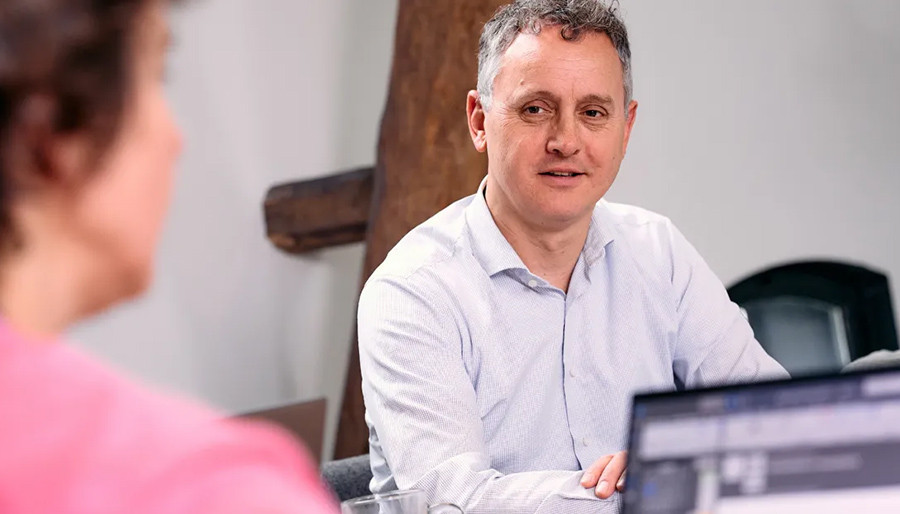
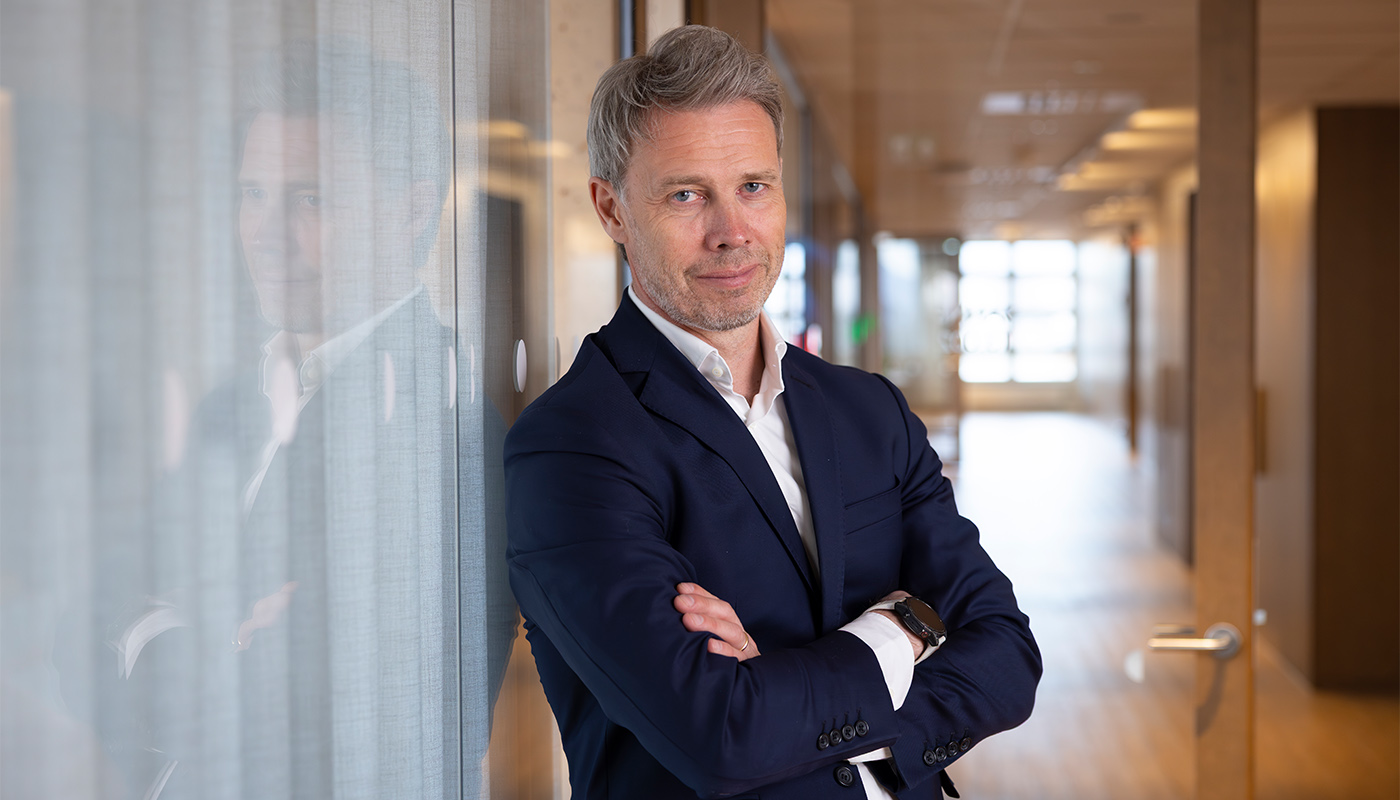
Martijn Nap, an experienced leader in life sciences, has joined Impact Stewards. He brings over two decades of experience in life sciences companies and health information technology. We asked him four questions about his background and move.
What can you tell us about your career in life sciences?
I trained in health sciences, epidemiology and health economics and began my career at Organon, initially as an international medical advisor in women’s health. That role took me into research, medical strategy and international collaboration – including work in China and Japan.
I subsequently joined Bristol Myers Squibb, where I was involved in launching an innovative treatment for patients with chronic myeloid leukaemia who were no longer responding adequately to the existing standard of care. It showed me that a successful launch requires much more than strong clinical evidence. Healthcare professionals need to understand which patients may benefit, how a new treatment fits into clinical practice, and why changing established routines is worthwhile.
At AstraZeneca, I worked in psychiatry and later led an oncology business unit. That eventually took me to the company’s global headquarters in Cambridge. These roles gave me a broad perspective on the journey from scientific innovation to meaningful use in everyday healthcare.
After returning to the Netherlands, I joined IQVIA a leading healthcare information technology company. First, I led the analytics business and later became General Manager of the Dutch organisation, with approximately 300 employees. During that period, we significantly grew the business and expanded our work beyond the pharmaceutical industry. We increasingly supported hospitals, health insurers, public-sector organisations and policymakers in using innovative insights, data and technology to understand healthcare and improve decision-making.
What is the common thread throughout these experiences?
Throughout my career, I have been fascinated by the same question: how do you turn scientific innovation, data and technology into something that genuinely improves people’s health?
A medicine, a dataset or an AI application does not create impact by itself. It only creates value when it addresses a real need, fits the way healthcare is delivered and is understood and trusted by the people expected to use it. That requires organisations to look beyond the product and understand the complete environment surrounding the patient and healthcare professional.
Life sciences companies make an essential contribution to health, but their potential extends beyond developing and supplying medicines. They can also help improve patient pathways, strengthen the use of data, support healthcare professionals and contribute to a more accessible, affordable and sustainable healthcare system.
Why have you joined Impact Stewards?
Impact Stewards brings together highly experienced leaders from across healthcare and life sciences. What connects us is the belief that business success and societal impact should reinforce one another. We combine senior experience with the ability to bring different disciplines and perspectives together. That allows us to address questions that cannot be solved from within a single function, company or part of the healthcare system.
What I bring is experience from pharmaceutical R&D, medical affairs, commercial leadership, data, AI and general management. Just as importantly, I understand the language and realities of both life sciences companies and the wider healthcare system. I hope to use that experience to help organisations move from good intentions and promising innovations to tangible, lasting impact.
What would be your dream project?
My dream project would be to help life sciences companies evolve into health companies: organisations that do not only treat disease but actively contribute to healthier lives and prevention.
In that model, medicines remain important, but form part of a broader value proposition that may also include data, education, services and partnerships. The primary objectives should be to improve health and reduce health inequalities, while creating sustainable value for the company and society. That is the transition I would like to help shape: from developing treatments to creating health.